
Go Print Art

Curated or created by our in-house team!
Art by Go Print Art
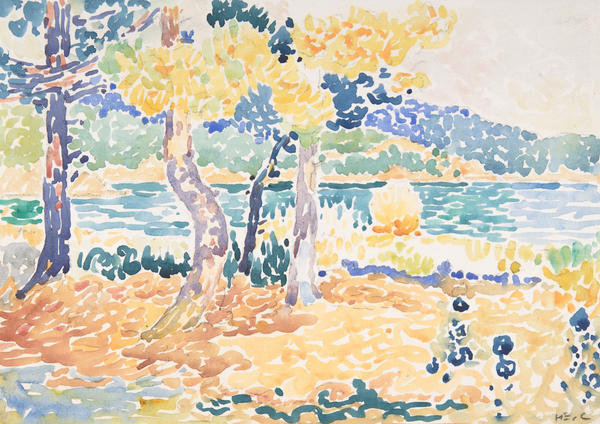
Pines on the Coastline - Henri-Edmond Cross
In Pines on the Coastline, Henri-Edmond Cross depicts the Mediterranean shore as a vibrant harmony of colour and light. Tall, stylised pine trees frame the scene, their forms broken into luminous strokes that contrast with the intense blues of the sea and sky. Rather than modelling depth through shadow, Cross constructs the landscape through carefully balanced colour relationships, giving the painting a radiant, almost musical quality. Painted in oil on canvas around 1896–1897, this work marks an important moment in Cross’s development toward a more expressive Neo-Impressionist style. The bold palette and simplified forms move beyond strict pointillism, anticipating the freedom of later modern movements. Pines on the Coastline is both sun-drenched and contemplative—a celebration of the southern French landscape transformed through colour.
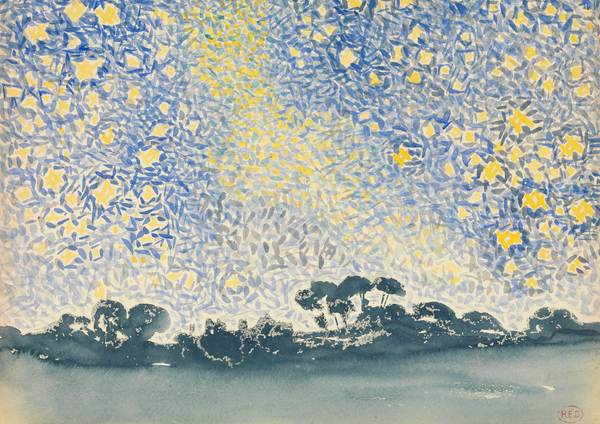
Landscape with Stars - Henri-Edmond Cross
In Landscape with Stars, Henri-Edmond Cross transforms the natural world into a luminous, dreamlike vision. The scene is built from radiant points and patches of colour, with glowing stars suspended above a simplified landscape that feels both serene and otherworldly. The careful placement of complementary hues creates a shimmering surface that seems to vibrate with light. Painted in oil on canvas around 1906–1907, this work is a striking example of Cross’s mature Neo-Impressionist style. Moving beyond strict optical theory, he uses colour expressively rather than descriptively, anticipating later modern movements. Landscape with Stars is contemplative and poetic—a celebration of colour, atmosphere, and the quiet mystery of the night.
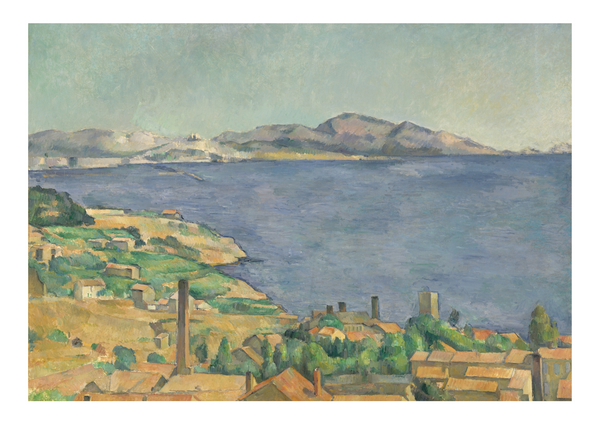
The Gulf of Marseille Seen from L'Estaque - Paul Cézanne
In The Gulf of Marseille Seen from L’Estaque, Paul Cézanne captures the Mediterranean coastline with a sense of solidity and calm that sets his work apart from traditional Impressionist seascapes. The sweeping curve of the bay, the deep blues of the sea, and the pale sky are built from carefully modulated blocks of colour, giving the scene weight and structure rather than fleeting atmosphere. Painted in oil on canvas around 1883–1885, this work reflects Cézanne’s fascination with the landscape around L’Estaque, a place he returned to repeatedly. The composition balances expansiveness with order, transforming a panoramic coastal view into a study of form and spatial harmony. It is a luminous yet grounded painting that points toward Cézanne’s pivotal role in the development of modern art.
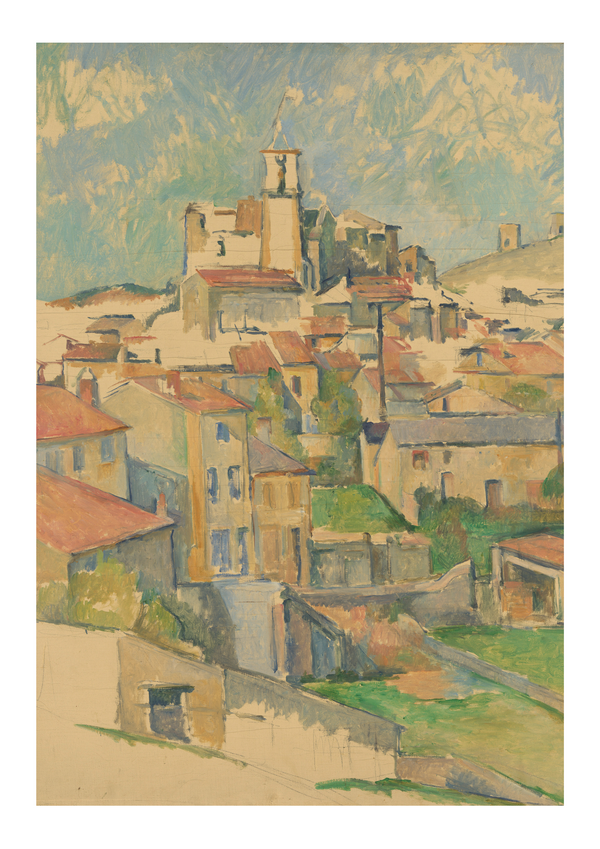
Gardanne - Paul Cézanne
In Gardanne, Paul Cézanne presents the Provençal town as a carefully constructed landscape of interlocking planes and muted colour. Houses are stacked and simplified into geometric forms, their terracotta roofs and pale walls rising rhythmically toward the church tower at the centre. The surrounding greenery is rendered with the same structural intent, blurring the line between architecture and nature. Painted in oil on canvas around 1885–1886, this work exemplifies Cézanne’s revolutionary approach to landscape painting—less concerned with fleeting light and more focused on form, balance, and permanence. The result is a quietly powerful composition that bridges Impressionism and the foundations of modern art, making Gardanne a timeless and intellectually rich piece for any art collection.
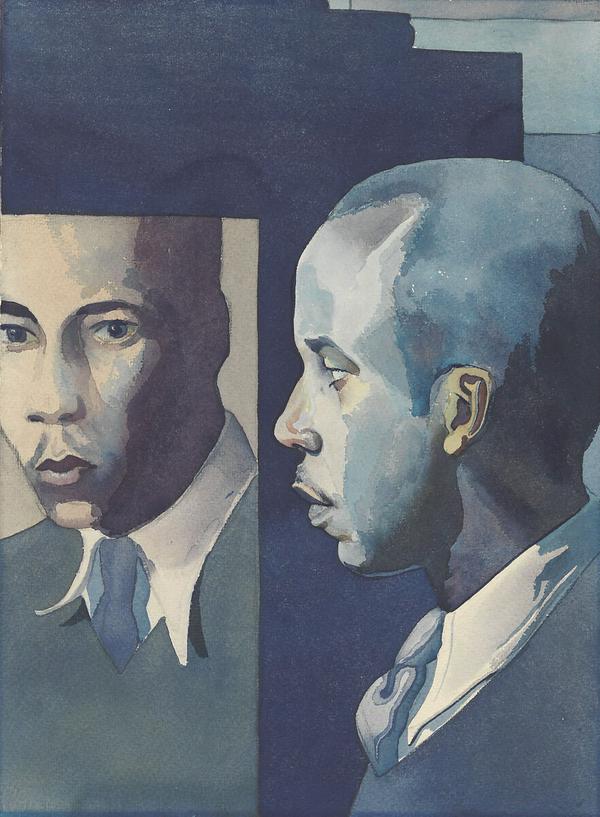
Samuel Joseph Brown, Jr.: A Self-Portrait
Samuel Joseph Brown, Jr.'s "A Self-Portrait" is a striking and introspective work that offers a window into the artist’s identity and the broader cultural context of his time. In this self-portrait, Brown employs a restrained yet impactful palette, often leaning toward earth tones or subdued colours that emphasize mood and introspection. His depiction of himself is thoughtful and deliberate, showcasing his mastery of line and form. The piece captures a quiet dignity, with subtle details in his expression and posture that suggest resilience, introspection, and a keen awareness of the world around him.
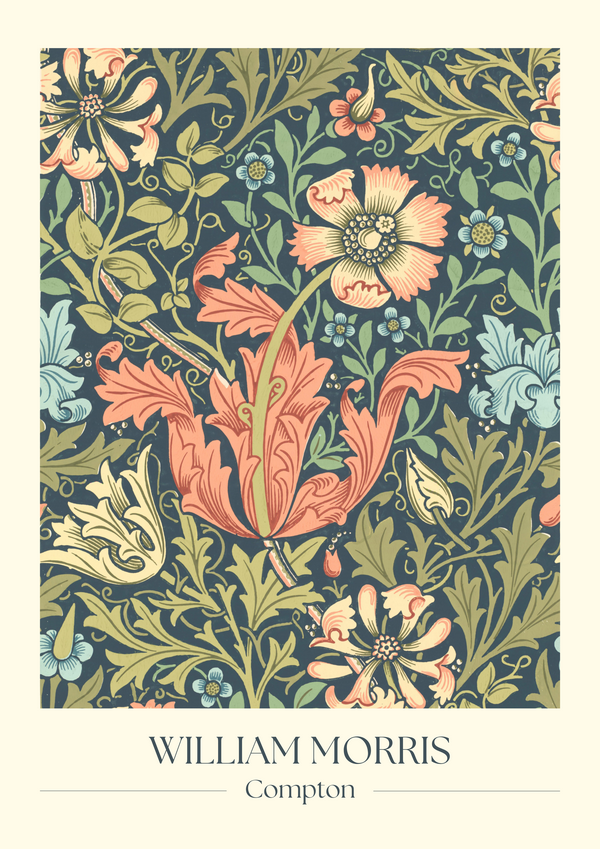
Compton by William Morris
William Morris’s 'Compton' print showcases his signature style of intricate patterns and organic shapes. The flowers and leaves are rendered in shades of orange, pink, blue, and green on a backdrop of deep brown and teal hues, creating a harmonious balance between nature and artifice.
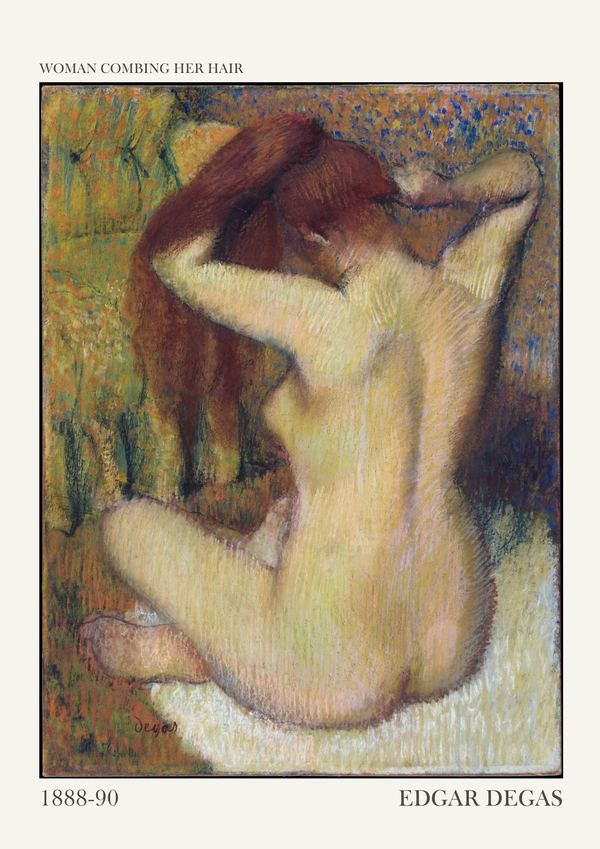
Woman Combing her Hair - Edgar Degas
Woman Combing Her Hair by Edgar Degas is a captivating depiction of an intimate, everyday moment rendered with the artist's characteristic sensitivity to movement and form. The pastel artwork showcases a woman bent slightly forward as she combs her hair, her figure framed by dynamic, sweeping lines that convey a sense of natural grace. Degas's use of soft, blended pastels creates a delicate interplay of light and shadow, highlighting the textures of the woman's hair and the subtle curves of her body. The composition feels unposed and spontaneous, emphasizing Degas’s fascination with capturing fleeting, unguarded moments of modern life. This work reflects his deep interest in the private, unseen world, celebrating the beauty of routine and personal ritual.
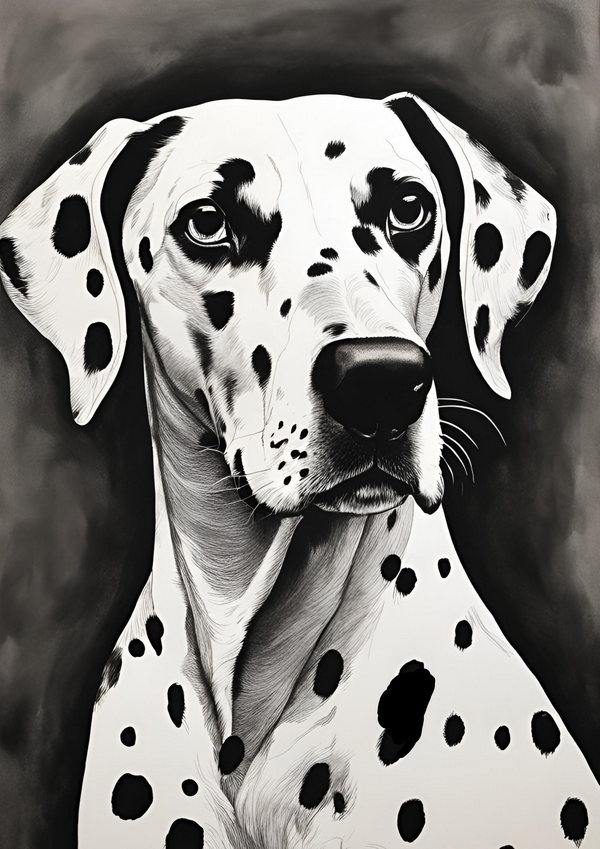
The Dalmatian
The Dalmatian is a distinctive breed known for its unique spotted coat and rich history that spans centuries. The breed's origins are somewhat mysterious, but it is believed to have ties to the historical region of Dalmatia, now part of modern-day Croatia, where early depictions of spotted dogs have been found in art and historical records. However, evidence suggests the Dalmatian’s ancestry may extend far beyond this region, with similar spotted dogs seen in Egyptian tomb art and ancient European paintings.
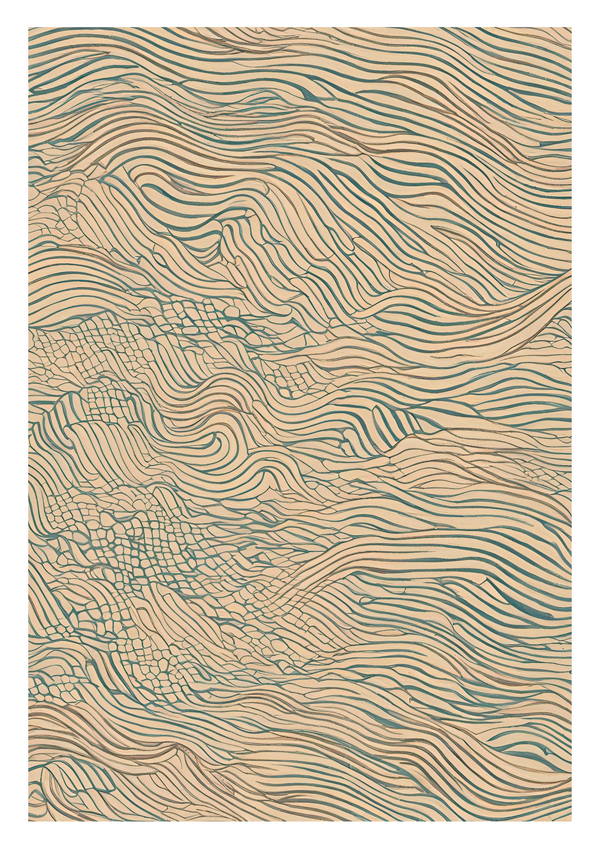
Soothing Ink Waves
Flowing, rhythmic lines in an abstract wave like pattern with teal and earthy brown hues against a beige background to create a calming, natural aesthetic. Tranquillity and perfect neutrals.
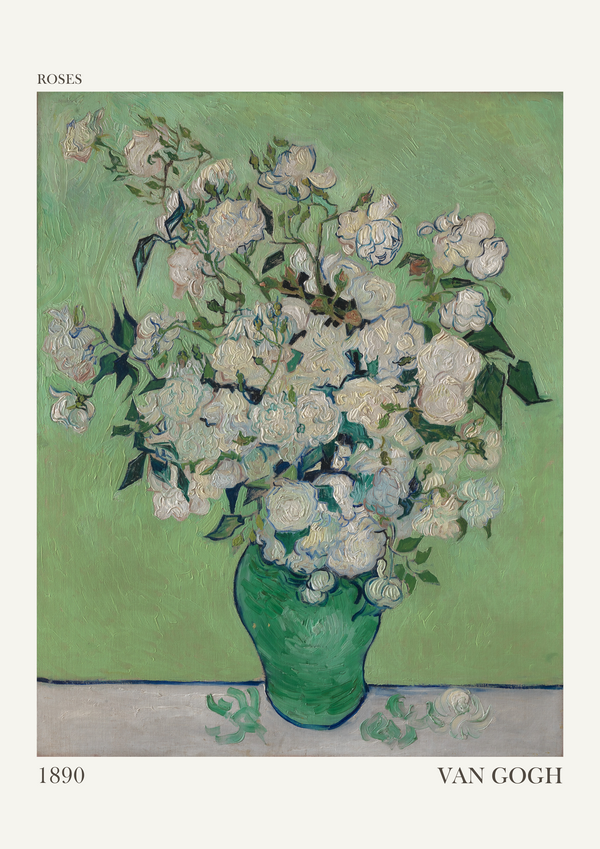
Roses - Vincent Van Gogh
This painting is a beautiful still-life work that captures Van Gogh's fascination with nature and his distinctive use of colour and brushwork. Painted in May 1890 during Van Gogh’s stay at the asylum in Saint-Rémy-de-Provence, "Roses" was one of the final pieces he created before moving to Auvers-sur-Oise. The painting is notable for its vivid, life-affirming qualities, symbolizing hope and renewal. The composition consists of a lush bouquet of white roses arranged in a green vase. The flowers are rendered with loose, expressive brushstrokes. Initially these roses were believed to have been more vibrant in colour, possibly with hints of pink or pale tones that have faded over time, now appearing as creamy whites and soft greens. The background, in muted green tones, compliments the flowers.
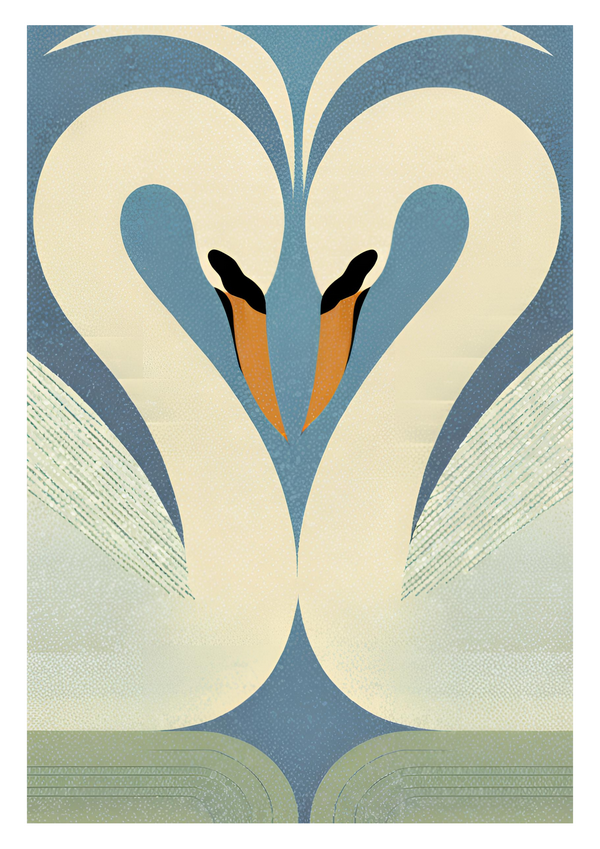
Retro Swans
This retro-inspired piece features a pair of stylized swans, gracefully mirrored to form a heart-like shape with their necks and heads, symbolizing unity and love. With soft tones of cream, muted blue, and sage green.
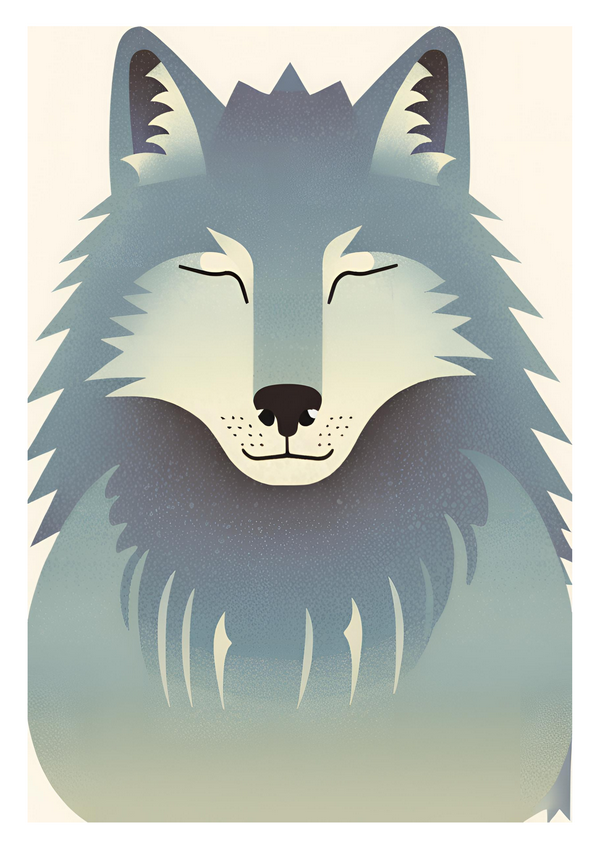
Not so Big Bad Wolf
Challenge stereotypes with this friendly wolf. With bold graphic grey shapes against a pale background and a smile that says friend not foe this wolf is ready for your wall.
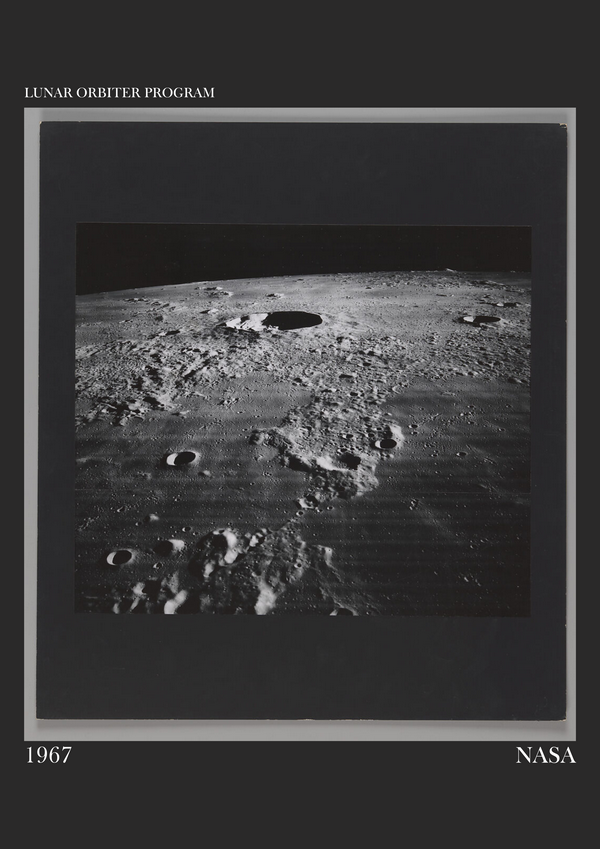
Nasa - Lunar Orbiter Program
The Lunar Orbiter photos played a critical role in selecting landing sites for Apollo missions and remain a vital historical and scientific resource for understanding the Moon's surface and geology. This is a low resolution photo which adds the charm of some of these first close-up photos of the moon.
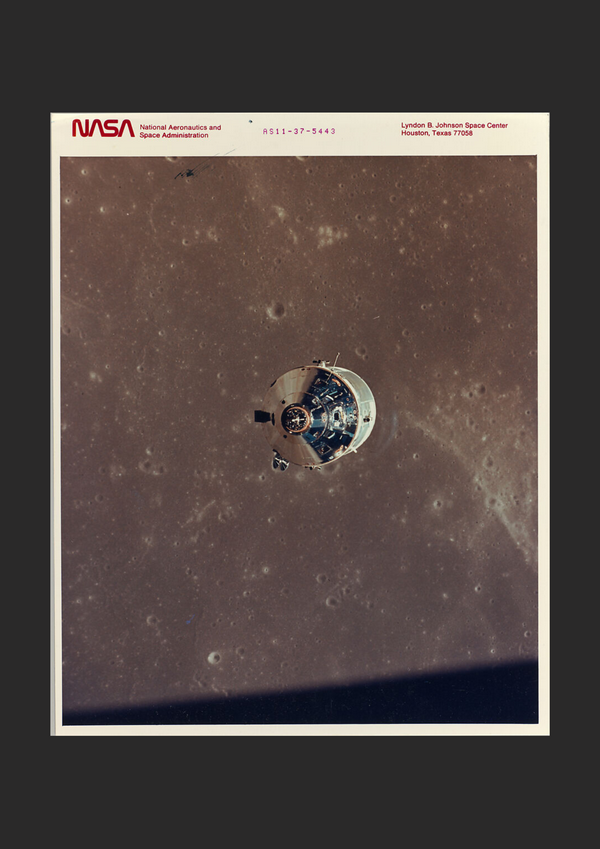
NASA - Apollo 11 Command and Service Modules
The Apollo 11 Command and Service Modules (CSM) played a central role in the first human landing on the Moon in 1969. They were part of NASA's Apollo spacecraft, designed for the historic mission to transport astronauts to the lunar surface and safely return them to Earth.
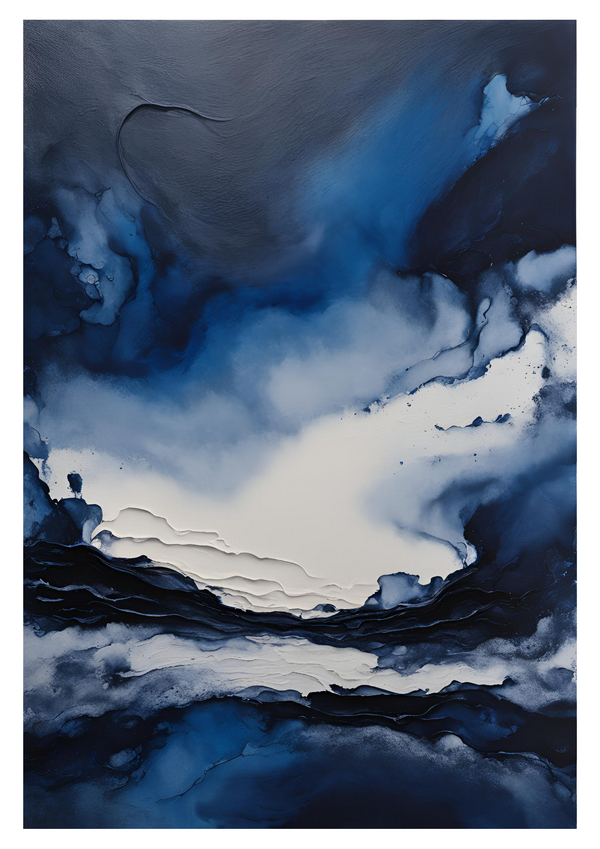
Midnight Calling
Inspired by midnight nights. Hues of navy and blue with a white focal point in fluid textured form creating a striking and dramatic piece.
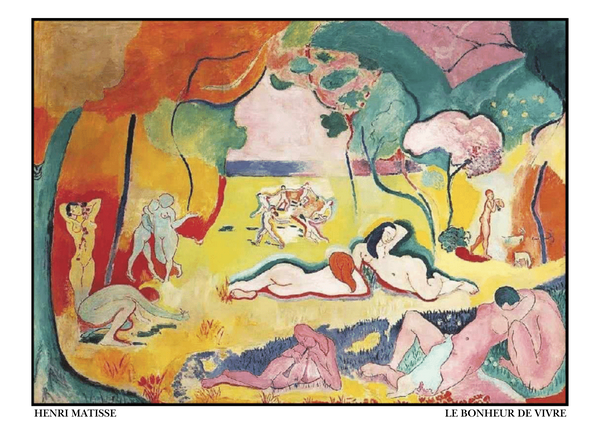
Le Bonheur de Vivre - Henri Matisse
Henri Matisse's "Le Bonheur de Vivre" (1905–1906) is a vibrant celebration of joy and harmony, often regarded as one of the defining works of Fauvism. The painting depicts a pastoral scene where nude figures engage in leisurely activities—dancing, reclining, and embracing—within a dreamlike, radiant landscape. Matisse uses bold, non-naturalistic colours like vivid oranges, greens, and pinks to evoke emotion and emphasize the idyllic mood. The flowing, curvilinear forms of the figures and landscape merge seamlessly, creating a sense of unity and rhythm. This ground-breaking work captures Matisse’s vision of an Arcadian paradise, blending sensuality, movement, and the transformative power of colour.
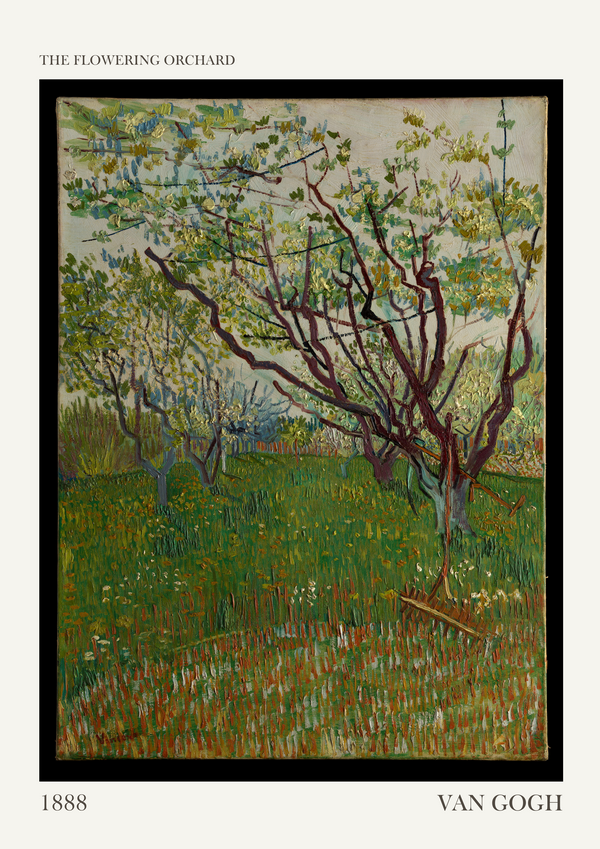
Flowering Orchard - Vincent Van Gogh
This artwork, The Flowering Orchard by Vincent van Gogh, depicts a serene orchard in full bloom, capturing the vibrant energy of spring. Painted in 1888, it features twisted, dark branches adorned with delicate white blossoms, set against a backdrop of lush green grass speckled with colourful wildflowers. Van Gogh's dynamic brushstrokes give the scene a sense of movement and texture, while the soft pastel sky contrasts with the earthy tones of the orchard. The composition radiates vitality and tranquillity, showcasing Van Gogh's deep admiration for nature and his ability to transform ordinary landscapes into vivid, emotional experiences.
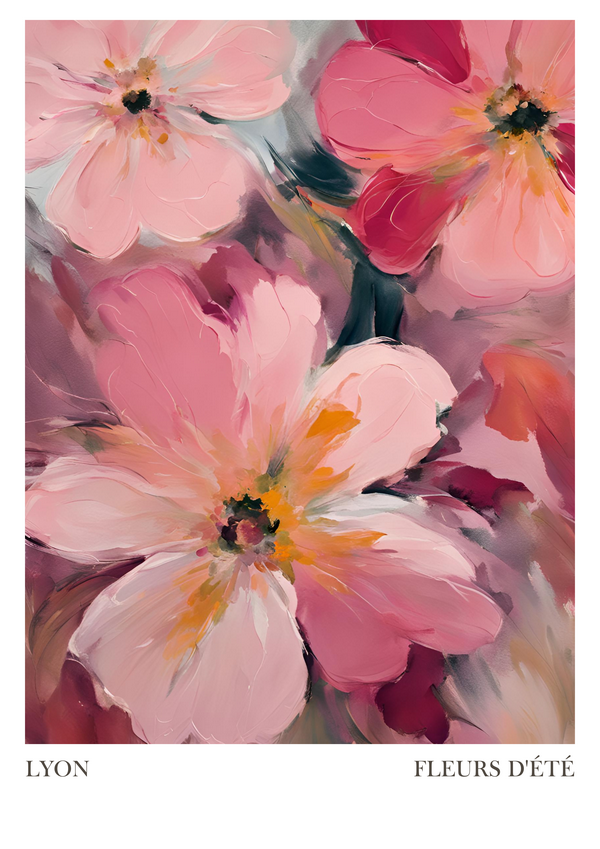
Fleurs d'été - Lyon
This print is all about the vibrant essence of summer featuring a lush display of blooming flowers in shades of pink, blush, and deep coral. The composition is filled with large, expressive petals, touches of yellow and orange at the centres add a lively contrast, bringing the flowers to life against a background of muted mauve and purple. With the words “LYON” and “FLEURS D’ÉTÉ” elegantly displayed below, this piece evokes the charm of a sun-drenched garden in full bloom.
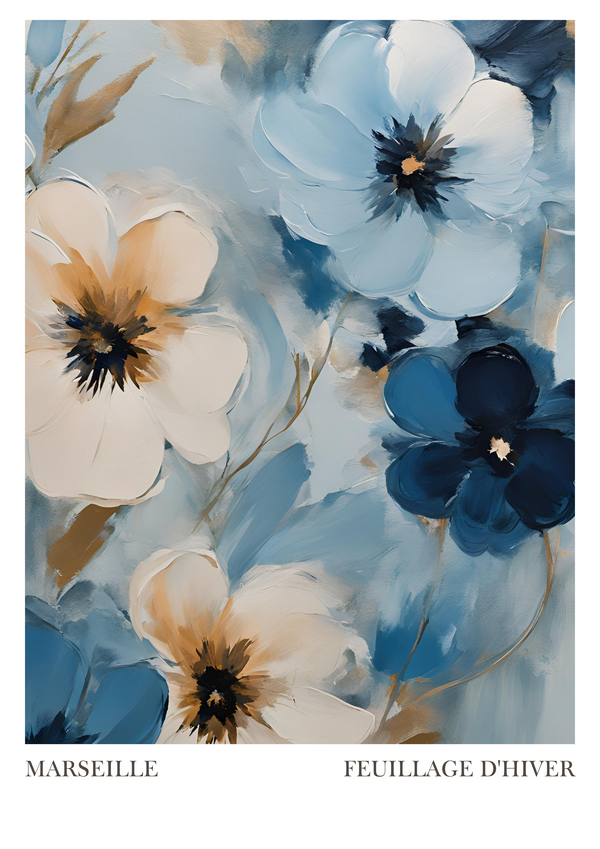
Feuillage d'hiver - Marseille
This print captures the quiet beauty of winter with a delicate floral arrangement in cool, soothing tones. The artwork showcases a mix of pale cream, soft blue, and deep navy flowers, painted with gentle brushstrokes to evoke a sense of calm and elegance. The text at the bottom reads “MARSEILLE” on the left and “FEUILLAGE D’HIVER” on the right.
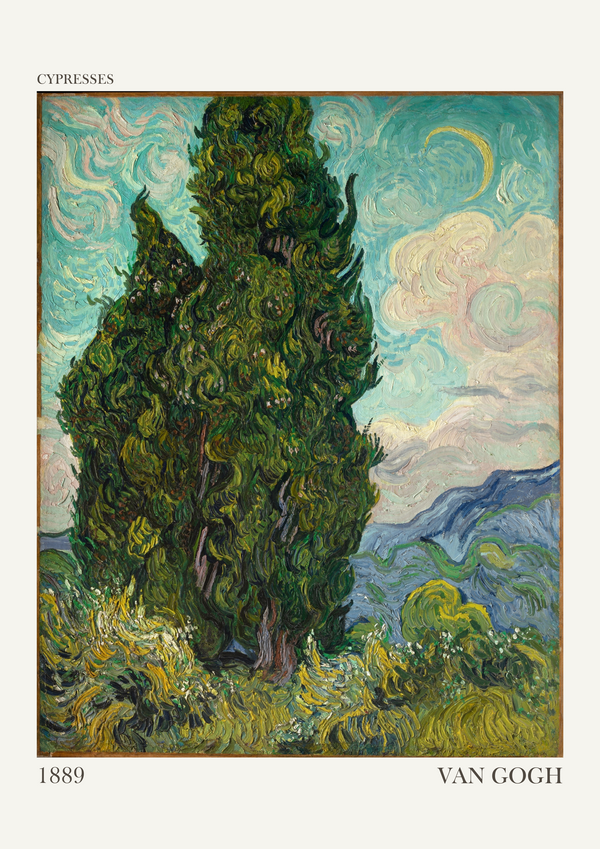
Cypresses - Vincent Van Gogh
Cypresses by Vincent van Gogh is a striking landscape painting that embodies the artist’s emotional connection to nature. Dominated by towering cypress trees that twist upward with an almost flame-like motion, the composition conveys both vitality and melancholy. The swirling sky, painted with bold strokes of blue, white, and yellow, creates a dynamic contrast to the rich green and dark tones of the trees. Van Gogh’s signature impasto technique adds texture and movement, giving the scene an almost dreamlike intensity. The painting captures the artist’s fascination with cypresses as symbols of eternity and spirituality, reflecting his deeply personal exploration of the natural world and its profound emotional resonance.
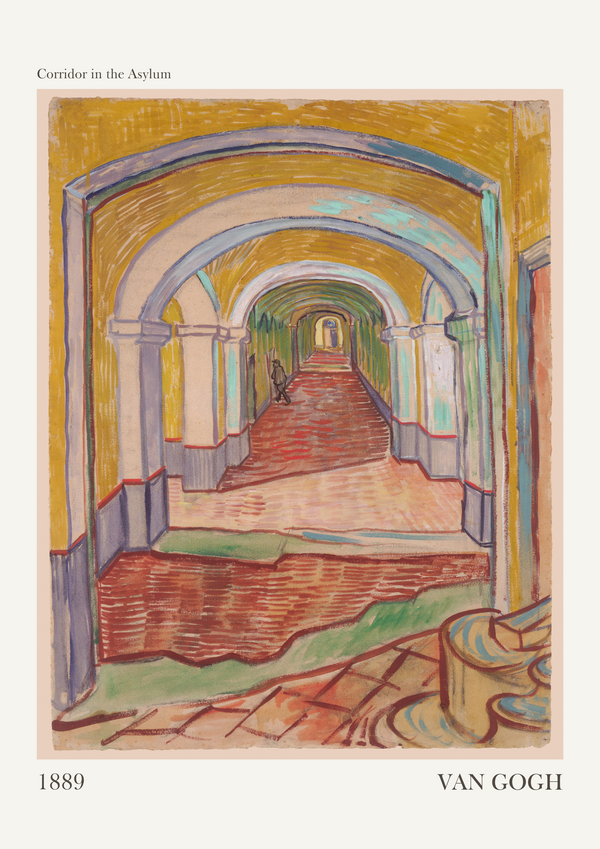
Corridor in the Asylum - Vincent Van Gogh
Corridor in the Asylum by Vincent van Gogh is a haunting portrayal of the hallway within the Saint-Paul-de-Mausole asylum, where he stayed during his struggles with mental health. The painting uses a muted palette of greys, browns, and ochres, with Van Gogh's signature swirling brushstrokes adding a sense of movement and unease to the rigid, arched structure. The repetitive arches create a feeling of endlessness, evoking the isolation and monotony of asylum life. Through its textured surface and atmospheric depth, the artwork becomes more than a simple architectural study, offering a window into Van Gogh's inner turmoil and profound emotional experience during this time.
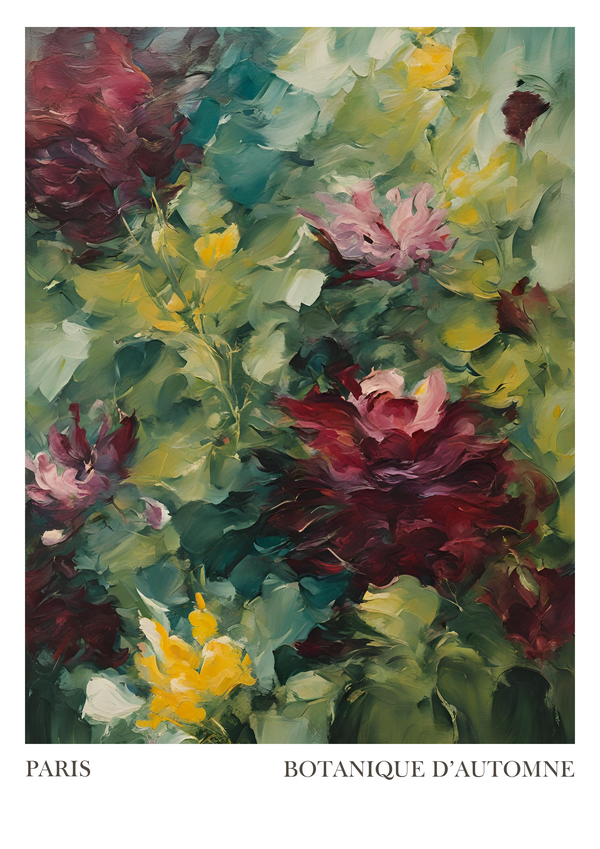
Botanique d'autumne - Paris
This print showcases a lush richly painted autumnal floral scene. The composition features deep burgundy blooms against a backdrop of vibrant green foliage, with hints of golden yellow flowers adding warmth and contrast. The text below reads “PARIS” on the left and “BOTANIQUE D’AUTOMNE” on the right. Perfect for bringing an elegant touch of nature into any space.
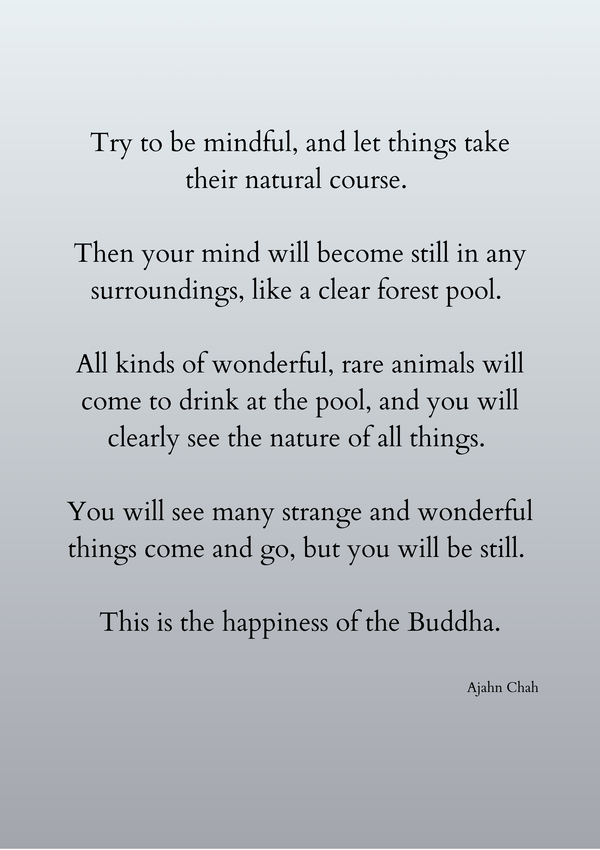
Be Mindful - Ajahn Chah
Wisdom from Ajahn Chan. The text reads 'Try to be mindful and let things take their natural course. Then your mind will become still in any surroundings, like a clear forest pool. All kinds of wonderful, rare animals will come to drink at the pool, and you will clearly see the nature of all things. You will see many strange and wonderful things come and go, but you will be still. This is the happiness of the Buddha.' the text is set against a view of a Thai temple, surrounded by peaceful greenery. Ajahn Chah was a renowned Thai Buddhist monk who played a pivotal role in spreading Theravada Buddhism and the Thai Forest Tradition, emphasizing simplicity, meditation, and mindful living. Known for his clear and relatable teachings, Ajahn Chah used real-life analogies and humor to convey profound Buddhist principles such as impermanence, non-attachment, and mindfulness. His legacy continues to inspire practitioners worldwide.
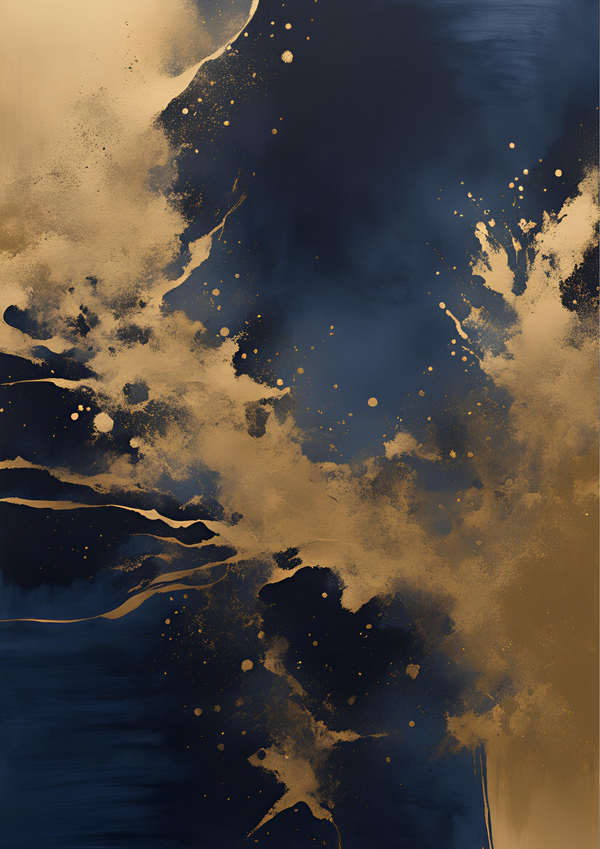
Abstract Reflections Two
The second in a series of fluid abstract works in shade of navy, gold and white. These prints are designed to compliment each other as full set or as a stand-alone pieces.
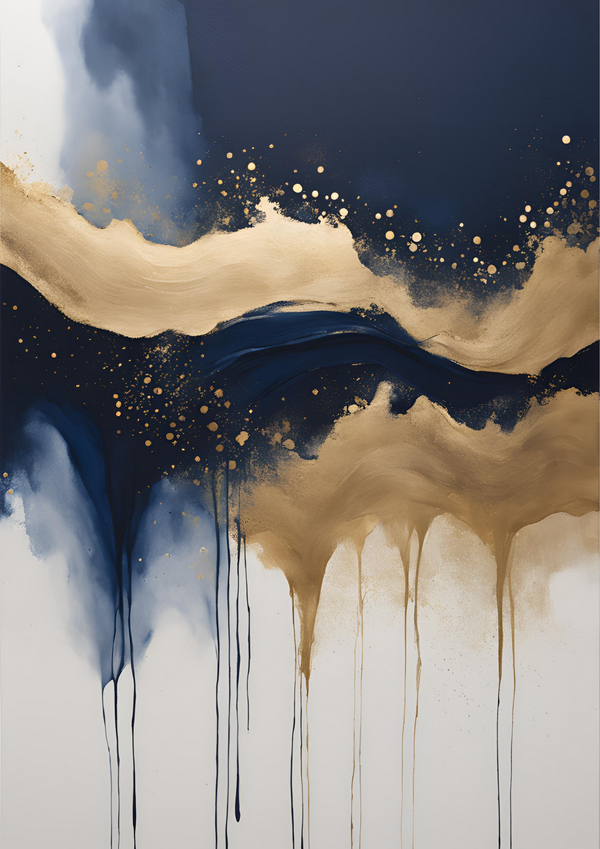
Abstract Reflections Three
The third in a series of fluid abstract works in shade of navy, gold and white. These prints are designed to compliment each other as full set or as a stand-alone pieces.
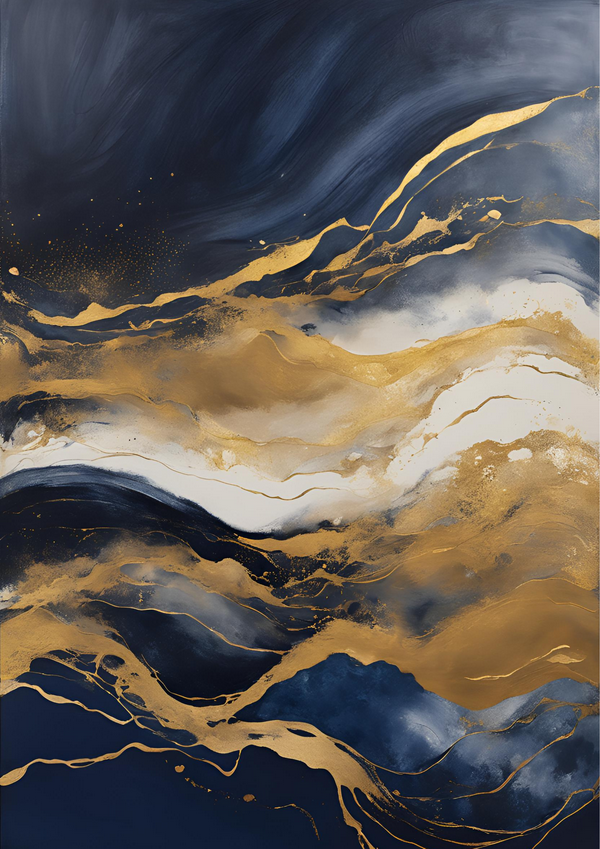
Abstract Reflections One
The first in a series of fluid abstract works in shade of navy, gold and white. These prints are designed to compliment each other as full set or as a stand-alone pieces.
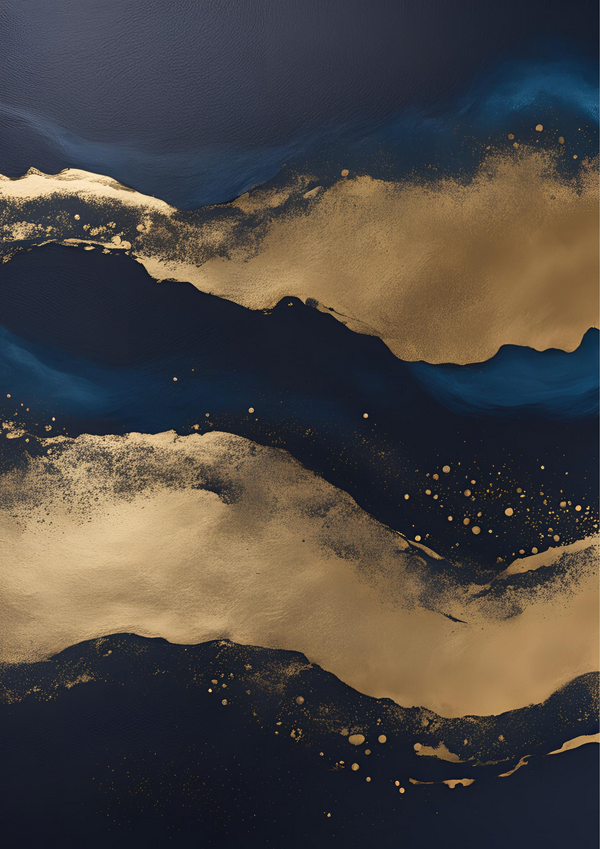
Abstract Reflections Four
The fourth in a series of fluid abstract works in shade of navy, gold and white. These prints are designed to compliment each other as full set or as a stand-alone pieces.
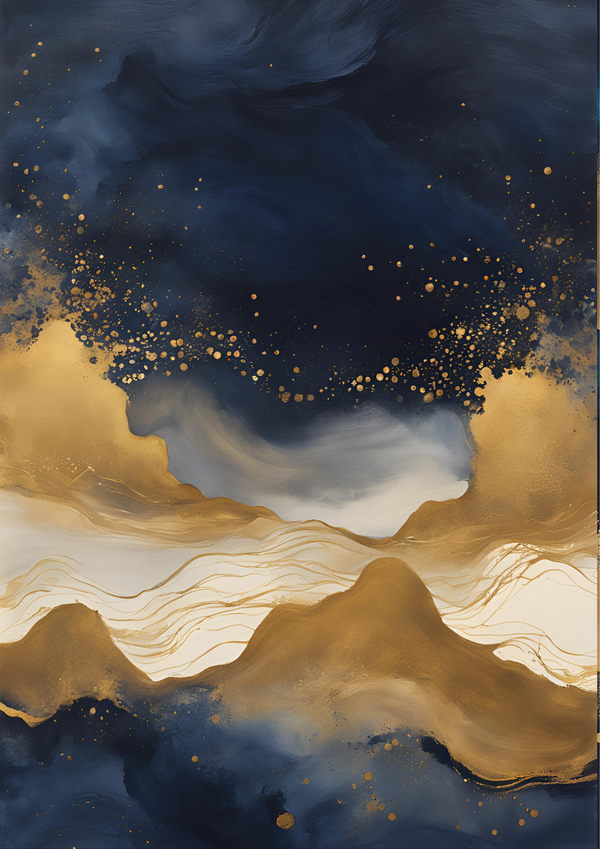
Abstract Reflections Five
The fifth in a series of fluid abstract works in shade of navy, gold and white. These prints are designed to compliment each other as full set or as a stand-alone pieces.
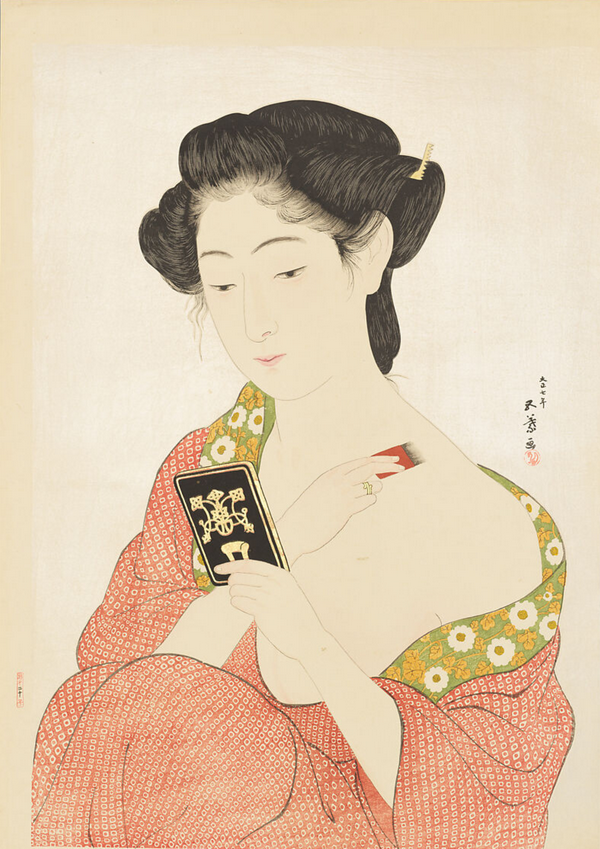
Woman Applying Makeup - Hashiguchi Goyō
Created in 1918 using a woodblock printing technique, Woman Applying Makeup is the first of only seven beauty prints published during Goyō’s lifetime. The subject is a Geisha captured in an intimate moment and the appreciation for detail and skill builds as this piece is viewed.
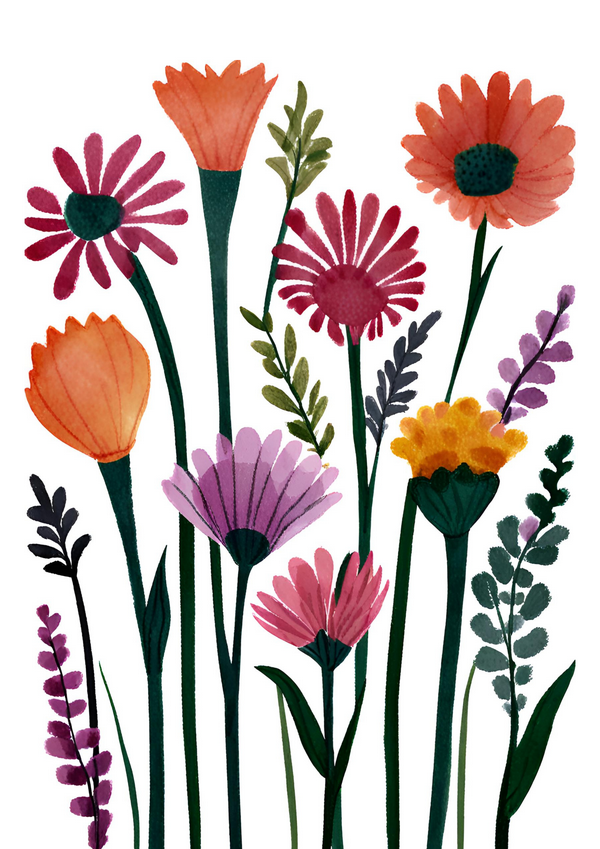
Wild Flower Wonders
Simple, bright and beautiful. Wildflowers that are sure to bring joy to any room.
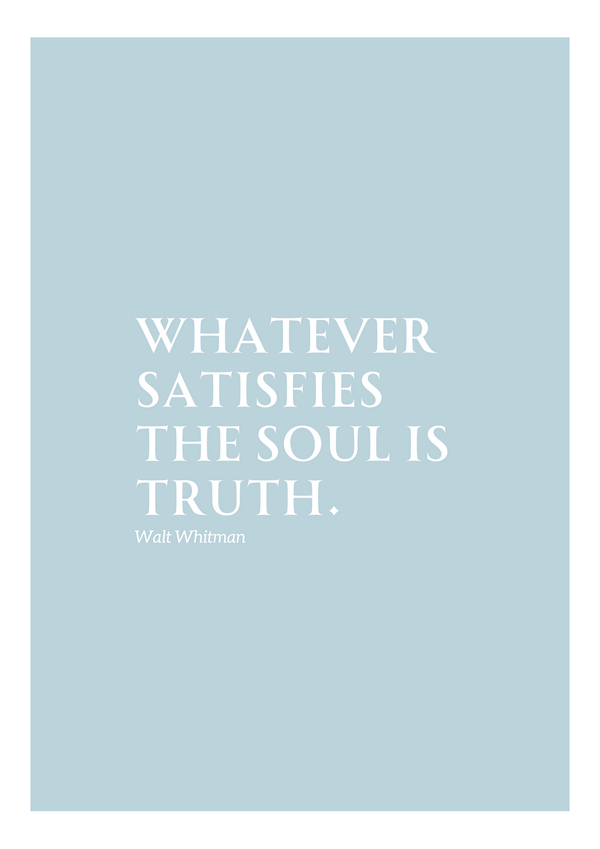
Whatever Satisfies the Soul - Walt Whitman
This image features a minimalist design with a light blue background and white text. The quote "WHATEVER SATISFIES THE SOUL IS TRUTH." is prominently displayed in an elegant serif font. The quote is attributed to Walt Whitman, whose name appears in a smaller font below the quote.
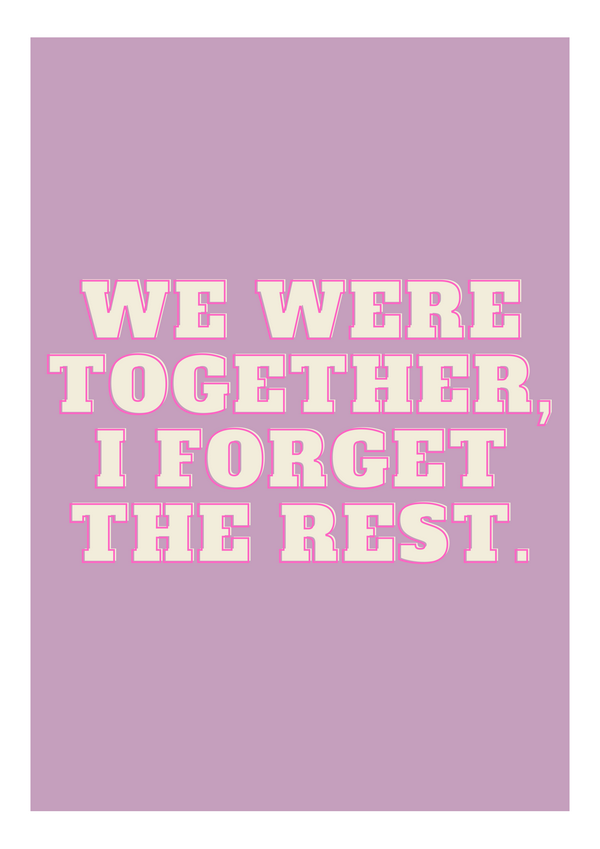
We Were Together, I Forget the Rest
This image features bold stylised text with a soft lavender background. The quote displayed reads: "WE WERE TOGETHER, I FORGET THE REST." This is a quote from Walt Whitman who was was an influential American poet, essayist, and humanist who lived in the 1800s.